Business Website Development Cost in Nepal 2026
For businesses in Nepal, having a professional website is no longer simply about putting a few pages online. A modern business website can serve as a company’s digital identity, generate leads, explain services, build credibility, support marketing campaigns, and provide customers with important information at any time.
One of the first questions businesses usually ask is: How much does it cost to develop a business website in Nepal?
The answer depends heavily on the website’s scope. A small informational website with a few pages requires significantly less work than a custom business platform with advanced functionality, integrations, multilingual content, dashboards, or specialized business processes.
Current 2026 Nepal market guides show a wide range for business websites, with published estimates commonly ranging from roughly NPR 40,000 to NPR 250,000+, depending on design, pages, features, technology, SEO, integrations, and support.
Rather than looking at one fixed number, businesses should understand what actually determines the development cost.
What Is a Business Website?
A business website is a website created to represent a company, organization, service provider, brand, or professional business online.
A typical business website may include:
Home
About Us
Services
Products
Portfolio
Team
Blog
Testimonials
Contact
FAQ
Location information
Inquiry or quotation forms
However, not every business needs the same structure.
A consulting company may need service pages and lead-generation forms, while a hotel may need booking functionality. A construction company may need project galleries, while a manufacturing company may require product catalogs and downloadable specifications.
Therefore, the cost should be based on what the website needs to accomplish, rather than simply counting the number of pages.
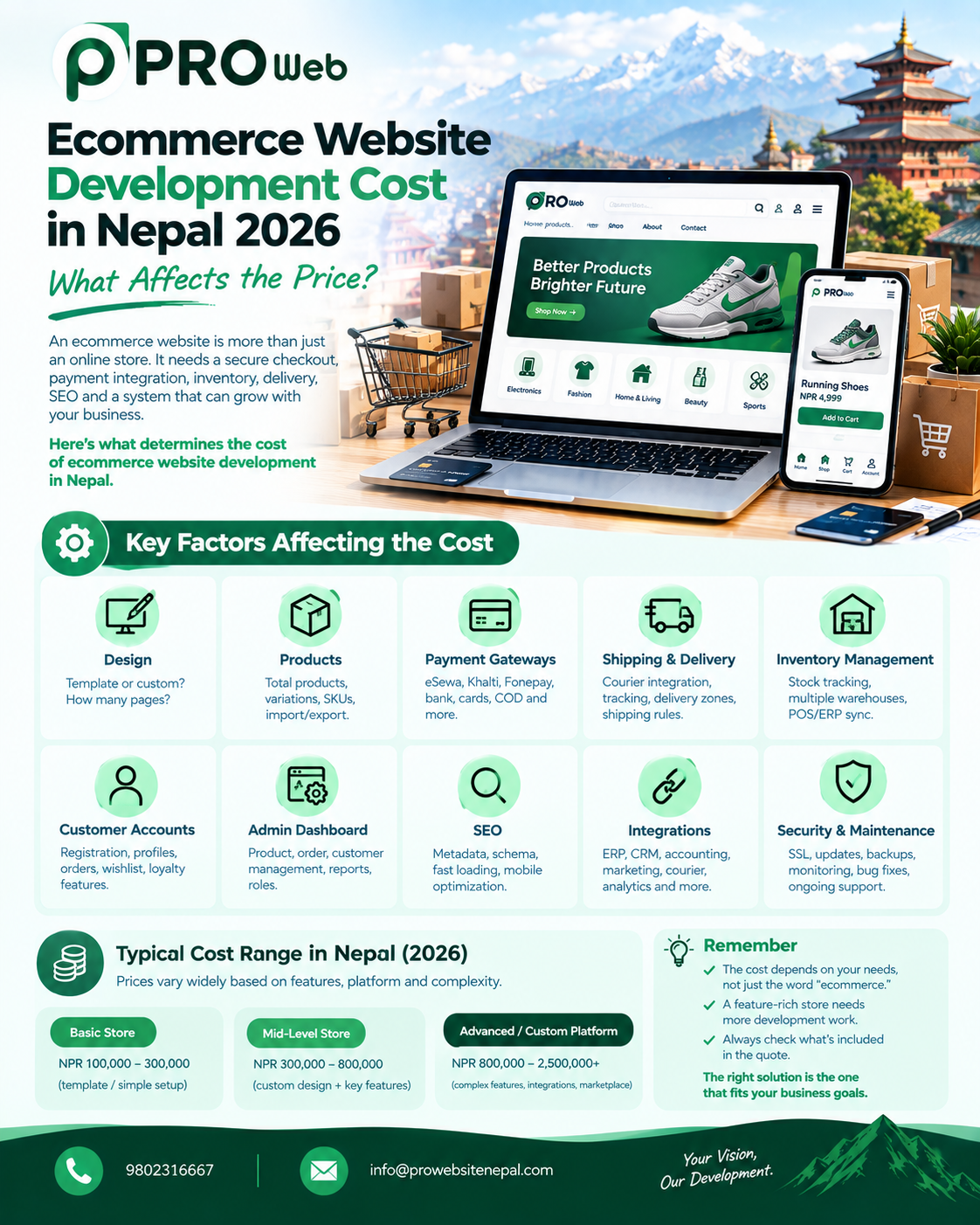
How Much Does a Business Website Cost in Nepal in 2026?
There is no universal market price for a business website because different projects have different requirements.
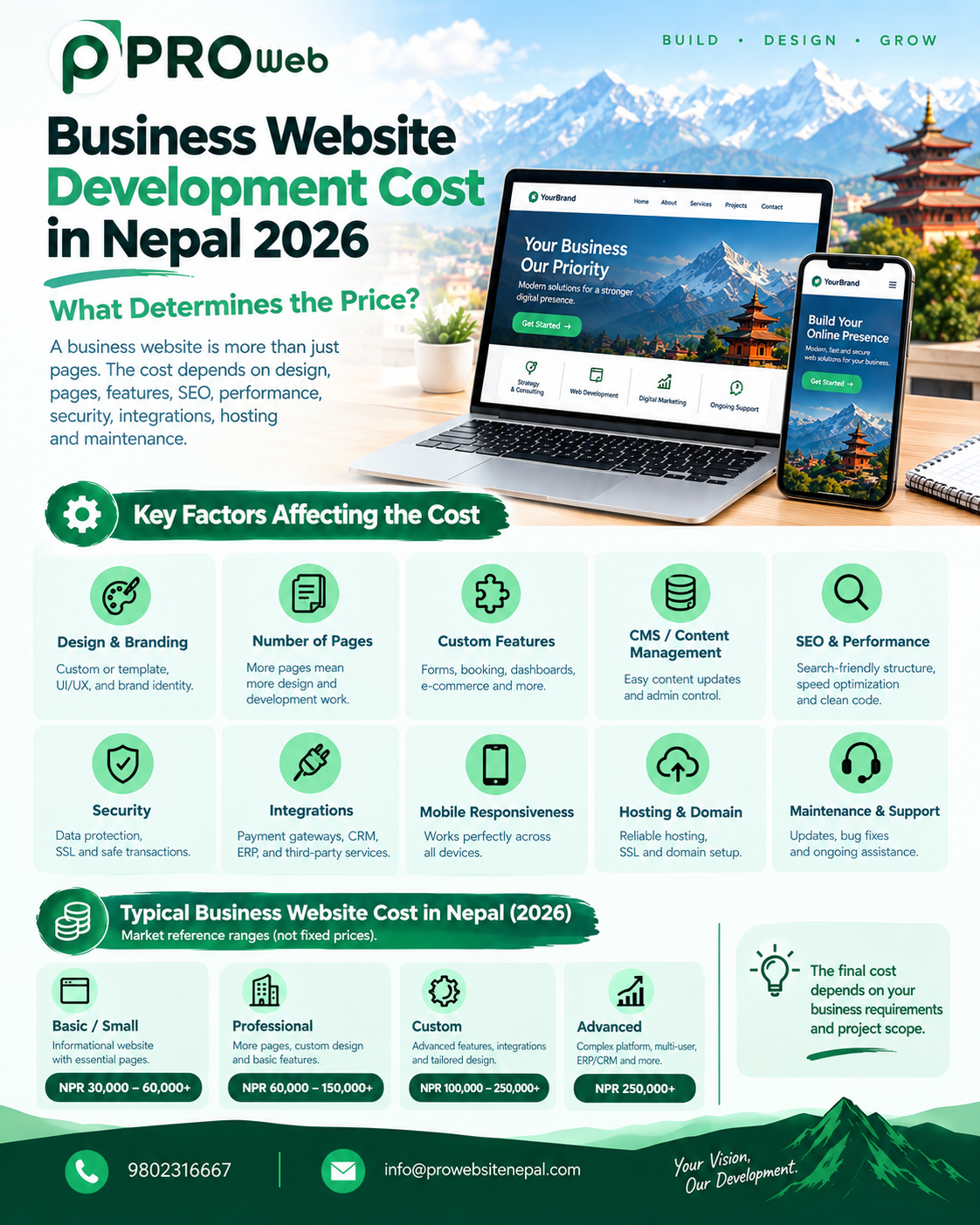
As a general 2026 market reference, published Nepal pricing guides place business websites in ranges such as:
Website Type | Indicative Cost Range |
|---|---|
Basic business website | NPR 25,000 – 60,000+ |
Professional business website | NPR 60,000 – 150,000+ |
Custom business website | NPR 100,000 – 250,000+ |
Advanced business platform | NPR 250,000+ |
These are indicative market ranges rather than fixed prices. Actual quotations depend on the project scope and what is included.
Two companies can request a "business website" and receive very different quotations because their requirements may be completely different.
1. Website Design
Design is one of the first factors that affects development cost.
A website can use:
Pre-designed templates
Modified templates
Custom UI designs
Fully custom brand-focused interfaces
A template-based website can generally be produced faster because the basic layout already exists.
A custom website requires more planning and design work around the company's:
Brand identity
Colors
Typography
User journey
Content structure
Conversion goals
Mobile experience
If a company wants a distinctive website rather than a standard template, additional design and development work is usually required.
2. Number of Pages
The number of pages also affects the overall project scope.
A small business might require:
Home
About
Services
Contact
A larger company might need:
Multiple service pages
Industry pages
Product pages
Case studies
Blog
Team profiles
Locations
FAQ
Careers
Resources
More pages generally mean more:
Design work
Content integration
Development
SEO configuration
Testing
Maintenance
However, page count should not be the only measurement.
One highly customized page can require more development work than several simple informational pages.
3. Custom Functionality
Business websites become more expensive when they require functionality beyond standard informational pages.
Examples include:
Contact forms
Quote request systems
Appointment forms
Booking systems
Customer portals
Membership systems
Interactive calculators
Product catalogs
Search systems
Filtering
Download centers
Job application systems
Dashboards
User accounts
The more specialized the functionality, the more development and testing it generally requires.
4. Content Management System
A business may want to update website content without depending on a developer.
A CMS can allow administrators to manage:
Pages
Blog posts
Images
Services
Products
Team members
Testimonials
Frequently asked questions
For businesses that frequently update their content, a CMS can be an important part of the website.
The cost can vary depending on whether the project uses an existing CMS, a customized CMS, or a completely custom administration system.
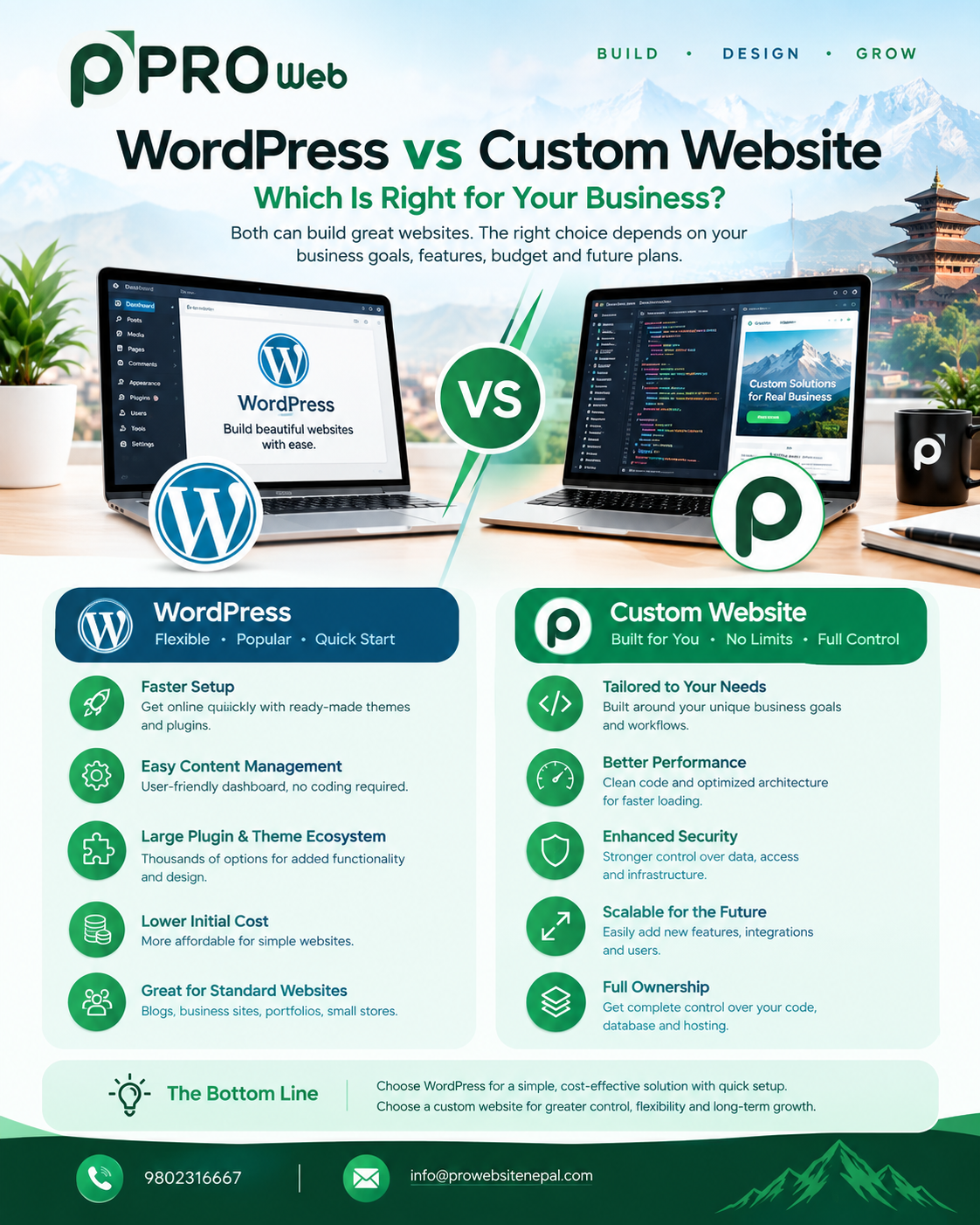
5. Custom Development vs Template-Based Development
This is one of the biggest differences between website projects.
Template-Based Website
A template-based website generally starts with an existing design and modifies it according to the business.
Advantages can include:
Faster development
Lower initial development effort
Pre-built layouts
Existing components
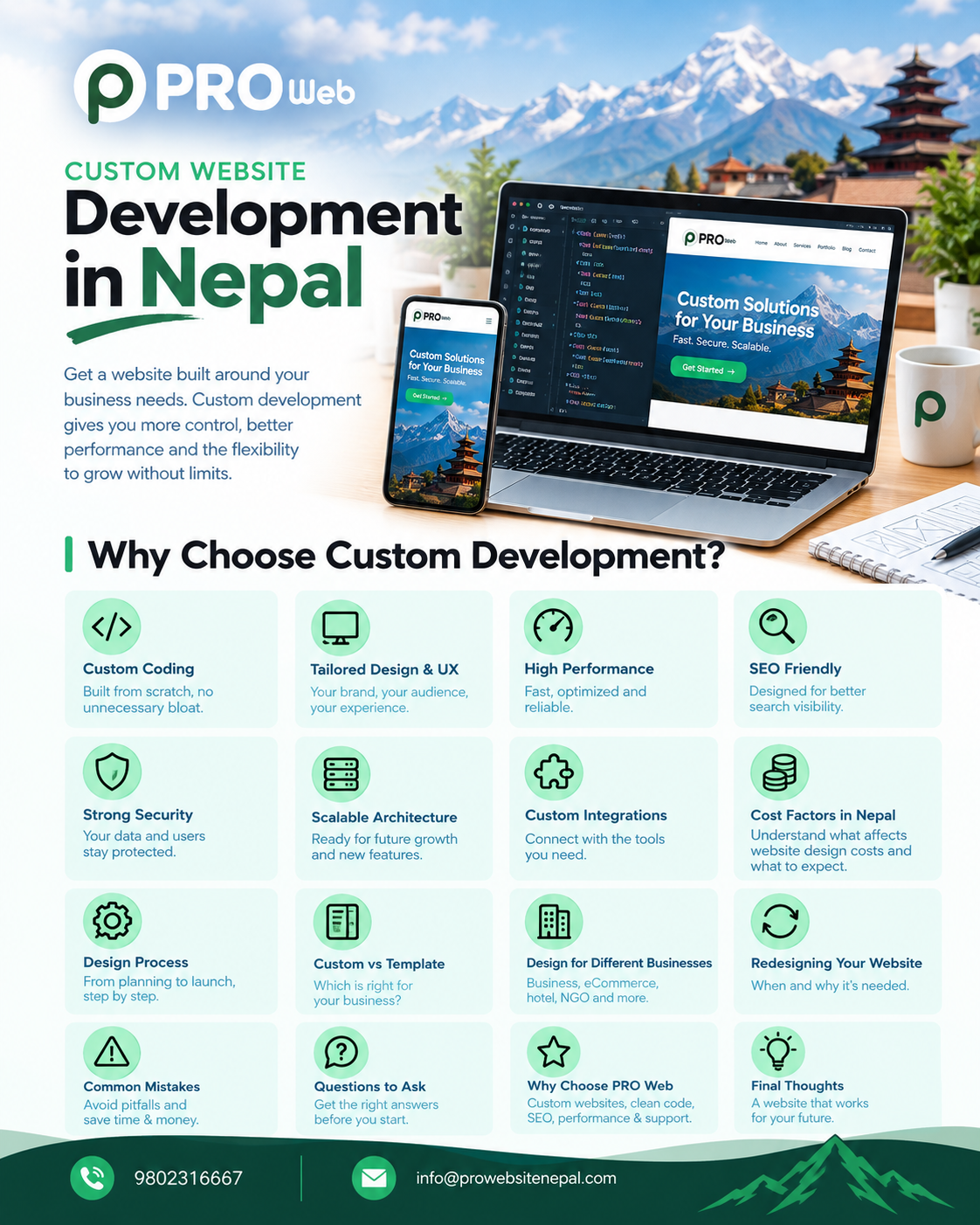
However, businesses may have limitations in terms of:
Design uniqueness
Code control
Unnecessary features
Long-term flexibility
Custom functionality
Custom Website
A custom website is developed around the specific requirements of the business.
It can provide greater control over:
Design
Code
Features
Database structure
Performance
SEO architecture
Scalability
Integrations
Custom development generally requires more planning and engineering, which can increase the initial development cost.
6. Mobile Responsiveness
A business website must work properly across different screen sizes.
That includes:
Smartphones
Tablets
Laptops
Desktop computers
Mobile optimization requires more than simply shrinking the desktop design.
Developers need to consider:
Navigation
Typography
Buttons
Images
Forms
Spacing
Page speed
Touch interaction
Since a significant portion of website traffic can come from mobile devices, responsive design should be treated as a core requirement rather than an optional feature.
7. Search Engine Optimization
SEO can also influence website development costs.
A properly structured website can be prepared for search engines from the beginning through:
Semantic HTML
Proper heading structure
Metadata
Clean URLs
Internal linking
Image optimization
Mobile responsiveness
Page-speed optimization
Schema markup where appropriate
XML sitemap
Robots.txt
Search-friendly content structure
Basic SEO setup may be included in a website project, while ongoing SEO strategy, content creation, link building, technical audits, and performance monitoring are usually separate services.
8. Website Speed and Performance
A modern business website should load efficiently.
Performance can be affected by:
Large images
Excessive JavaScript
Poor hosting
Unoptimized databases
Third-party scripts
Unnecessary plugins
Poorly written code
A performance-focused development process may include:
Image optimization
Code optimization
Caching
Lazy loading
Efficient database queries
Asset optimization
CDN configuration
Server optimization
If performance is an important business requirement, it should be discussed before development begins.
9. Security
Security is another factor businesses should consider when evaluating website development.
Depending on the project, security requirements may include:
HTTPS/SSL
Secure authentication
Form validation
Input sanitization
Secure password storage
Access control
Database protection
Regular backups
Security updates
Monitoring
A website that handles customer accounts, payments, private information, or internal business data requires more security considerations than a simple informational website.
10. Third-Party Integrations
Businesses frequently need their websites to communicate with other systems.
Examples include:
Google Analytics
Google Maps
CRM systems
Email marketing platforms
WhatsApp
Accounting software
Payment gateways
Social media
Booking systems
Inventory systems
ERP software
Each integration can introduce additional development, testing, authentication, and maintenance requirements.
11. Multilingual Websites
Nepali businesses may sometimes require websites in multiple languages.
For example:
English
Nepali
Hindi
Other languages
A multilingual website requires more than translating text.
The website may also need:
Language switching
Separate URLs
Translation management
SEO configuration
Multilingual metadata
Layout considerations for different text lengths
Therefore, multilingual functionality should be included in the project scope from the beginning.
12. Content Creation
Website development and content creation are related but different tasks.
A business may need:
Website copy
Service descriptions
Product descriptions
Blog articles
Photography
Videos
Graphics
Illustrations
If the client supplies finalized content, development can usually proceed more efficiently.
If the development company is also responsible for producing professional content, the project scope becomes larger.
13. Hosting and Domain
Website development cost is not necessarily the same as the total cost of operating a website.
Businesses may also need:
Domain
Web hosting
SSL
Business email
Backups
CDN
Maintenance
Security monitoring
Some domains and SSL options can be inexpensive or free depending on the domain and provider, while hosting and other services vary considerably based on requirements.
Businesses should therefore ask whether these items are included in the development quotation or billed separately.
14. Website Maintenance
Launching a website is not necessarily the end of the project.
Depending on the technology, ongoing maintenance may include:
Security updates
Software updates
Backup management
Bug fixes
Performance monitoring
Content updates
Technical support
Hosting management
A simple informational website may require relatively little ongoing work, while a website with frequent updates and integrations may require regular maintenance.
Business Website Cost by Complexity
Instead of focusing only on a single price, businesses can think about websites in different complexity levels.
Basic Business Website
Usually suitable for:
Small businesses
Local service providers
Startups
Consultants
Professionals
Possible features:
4–7 pages
Responsive design
Contact form
Basic SEO
Business information
Social links
Google Maps
Professional Business Website
Suitable for businesses that want a stronger digital presence.
Possible features:
Custom design
5–15+ pages
CMS
Blog
Service pages
Lead-generation forms
SEO-ready structure
Analytics
Performance optimization
Custom graphics
Professional content structure
Advanced Custom Business Website
Suitable for companies requiring more specialized systems.
Possible features:
Custom backend
User accounts
Dashboards
Advanced search
API integrations
CRM integration
ERP integration
Custom workflows
Multiple user roles
Multilingual functionality
Advanced reporting
At this point, the project is closer to a web platform than a simple brochure website, so pricing is normally determined through detailed project scoping.
What Should Be Included in a Business Website Quote?
Before choosing a developer, businesses should ask for an itemized quotation.
A professional proposal should clarify:
Design
Is the design custom or template-based?
How many design revisions are included?
Is mobile UI included?
Development
What technology will be used?
Is a CMS included?
Are custom features included?
SEO
Is basic technical SEO included?
Are metadata and sitemap configuration included?
Is ongoing SEO included?
Content
Who provides the website content?
Are images included?
Is copywriting included?
Hosting
Is hosting included?
For how long?
What type of hosting is being used?
Maintenance
Is post-launch support included?
How long does support last?
What happens after the support period?
Ownership
Who owns the domain?
Who owns the website code?
Will the business receive administrative access?
These questions can make it much easier to compare quotations accurately.
Why Can Two Website Quotes Be So Different?
Suppose one developer quotes NPR 40,000 and another quotes NPR 150,000.
That does not automatically mean one is overcharging or the other is cheaper for the same work.
The proposals may differ in:
Design quality
Number of pages
Custom development
CMS
SEO
Performance optimization
Security
Content
Hosting
Maintenance
Integrations
Support
Testing
Ownership
This is why comparing only the final price can be misleading.
The better approach is to compare scope, deliverables, technology, ownership, support, and long-term requirements.
Hidden Costs Businesses Should Consider
Some website expenses may not appear in the initial development quotation.
These can include:
Domain renewal
Hosting renewal
Premium software licenses
Plugin licenses
Email services
Content writing
Photography
Video production
SEO services
Website maintenance
Security monitoring
Additional development
Third-party API fees
A business should ask for an estimate of its first-year total cost, not just the initial development fee.
How to Reduce Website Development Cost
Reducing unnecessary scope can help businesses control their budget without sacrificing important requirements.
Start With Essential Pages
Instead of building every possible page immediately, begin with the pages that directly support the business.
Prepare Content Early
Having content, images, branding, and business information ready can reduce delays and revisions.
Avoid Unnecessary Features
Every additional feature adds development and maintenance requirements.
Plan SEO From the Beginning
Adding technical SEO after development can require restructuring that could have been avoided during the initial build.
Choose Technology Based on Requirements
The technology should match the project rather than being selected simply because it is popular.
Is a Cheap Business Website Always Better?
Not necessarily.
A lower initial price may be appropriate for a simple website with limited requirements.
However, businesses should check what is actually included.
A low-cost quotation may exclude:
Custom design
SEO
Content
Mobile optimization
Security
Maintenance
Hosting
Premium licenses
Support
The important question is therefore not simply:
"How cheap is the website?"
It is:
"What am I receiving for the quoted price?"
Custom Business Website Development in Nepal
Businesses with specific requirements may benefit from a custom development approach.
A custom website can be structured around the company's actual business model rather than forcing the business to adapt to an existing template.
This can provide greater control over:
User experience
Performance
Security
Database architecture
Business logic
SEO structure
Integrations
Future development
For companies expecting their website to become an important part of their operations, these considerations can be particularly important.
Business Website Development and SEO
A website should not only look professional.
It should also provide a strong technical foundation for search visibility.
Important areas include:
Clean URL structures
Search-friendly page architecture
Proper headings
Optimized images
Internal linking
Mobile responsiveness
Fast loading
Structured data where appropriate
Metadata
XML sitemap
Crawlability
Useful content
SEO should therefore be considered during development rather than treated entirely as a post-launch activity.
Choosing a Website Development Company in Nepal
Before hiring a developer or agency, businesses should evaluate more than portfolio screenshots.
Ask about:
Previous projects
Development process
Technology choices
Customization
SEO implementation
Performance optimization
Security
Hosting
Maintenance
Ownership
Support
Project timeline
A clear contract and detailed scope can prevent misunderstandings later.
Professional Website Nepal's Approach
At Professional Website Nepal, the focus is on creating websites around the actual requirements of the business rather than simply placing business information into a pre-made layout.
The development process can focus on:
Custom website development
Clean code
Responsive design
SEO-friendly architecture
Performance
Security
Scalability
Business-focused user experience
Long-term maintainability
For businesses that need more control over their website, a custom development approach can provide flexibility for future improvements and integrations.
Final Thoughts
The cost of developing a business website in Nepal in 2026 depends on much more than the number of pages.
Design, functionality, technology, SEO, performance, security, integrations, content, hosting, maintenance, and future scalability can all influence the final investment.
Published Nepal market guides show substantial variation in business website pricing, which reflects the different scopes and quality levels available in the market.
Instead of choosing a website based only on the lowest quotation, businesses should identify what they actually need and compare proposals based on features, quality, ownership, SEO, performance, support, and long-term value.
A website should ultimately be treated as a business asset—not simply as a collection of web pages.
Frequently Asked Questions
How much does a business website cost in Nepal in 2026?
There is no single fixed price. Published 2026 Nepal market estimates commonly place business websites from tens of thousands of rupees into the NPR 100,000–250,000+ range depending on scope and complexity.
What is the biggest factor affecting website development cost?
The biggest factors are generally project scope, custom design, number and complexity of pages, functionality, integrations, SEO requirements, and ongoing support.
Is a custom website more expensive than a template website?
Usually, custom development requires more design and engineering work, so its initial cost can be higher. However, the final difference depends on the actual project requirements.
Does website development include SEO?
Some developers include basic technical SEO in their development package, while ongoing SEO is generally a separate service. Always check the quotation.
Do I need a CMS for my business website?
If your business regularly needs to update pages, blogs, services, products, or other content, a CMS can make content management easier.
Are hosting and domain included in website development?
Not always. Some packages include them for a limited period, while others charge them separately. Ask for these details before approving a quotation.
How long does it take to build a business website?
A simple business website may take a few weeks, while a highly customized website can take considerably longer. Timeline depends on design, content availability, functionality, revisions, integrations, and approval cycles.
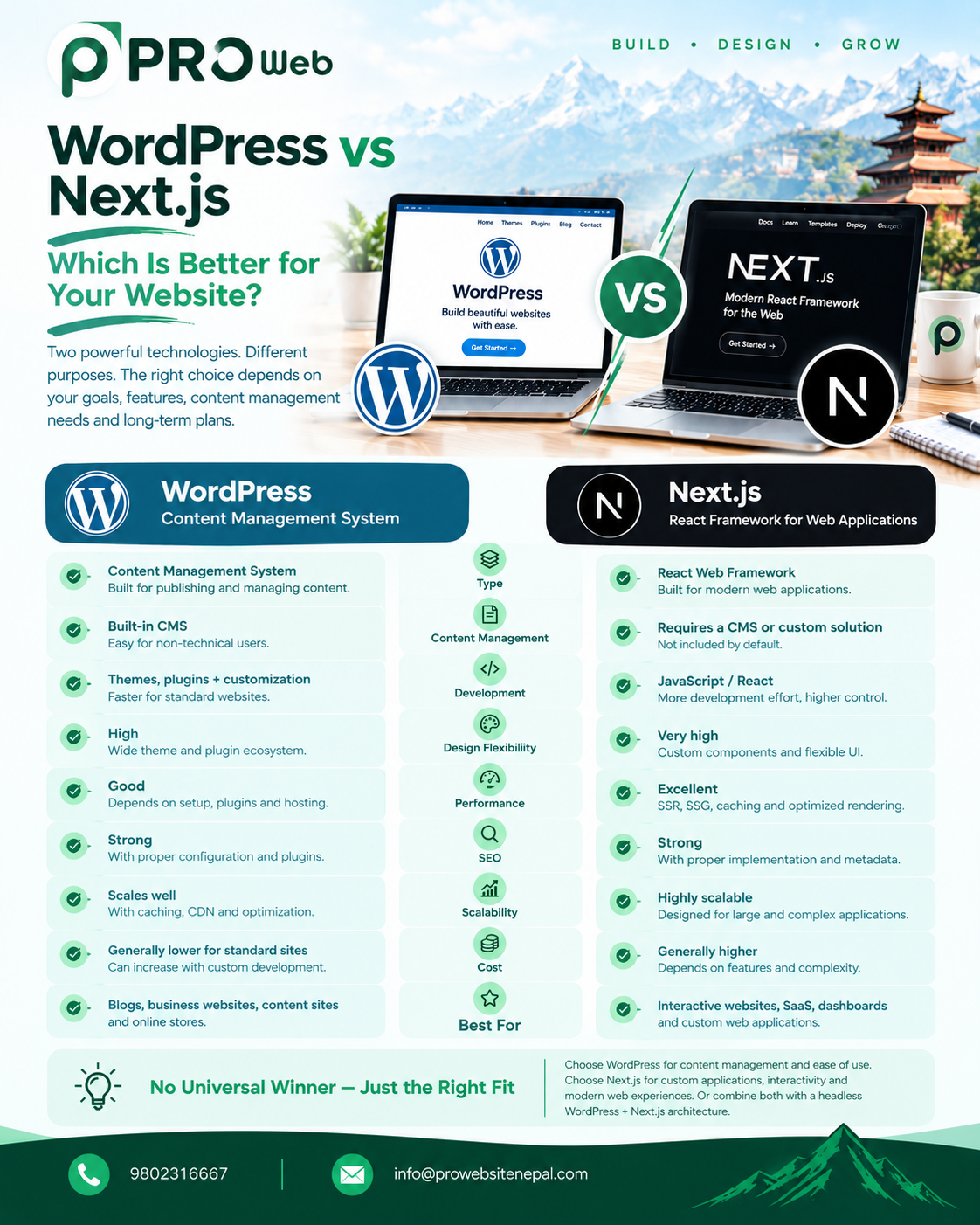
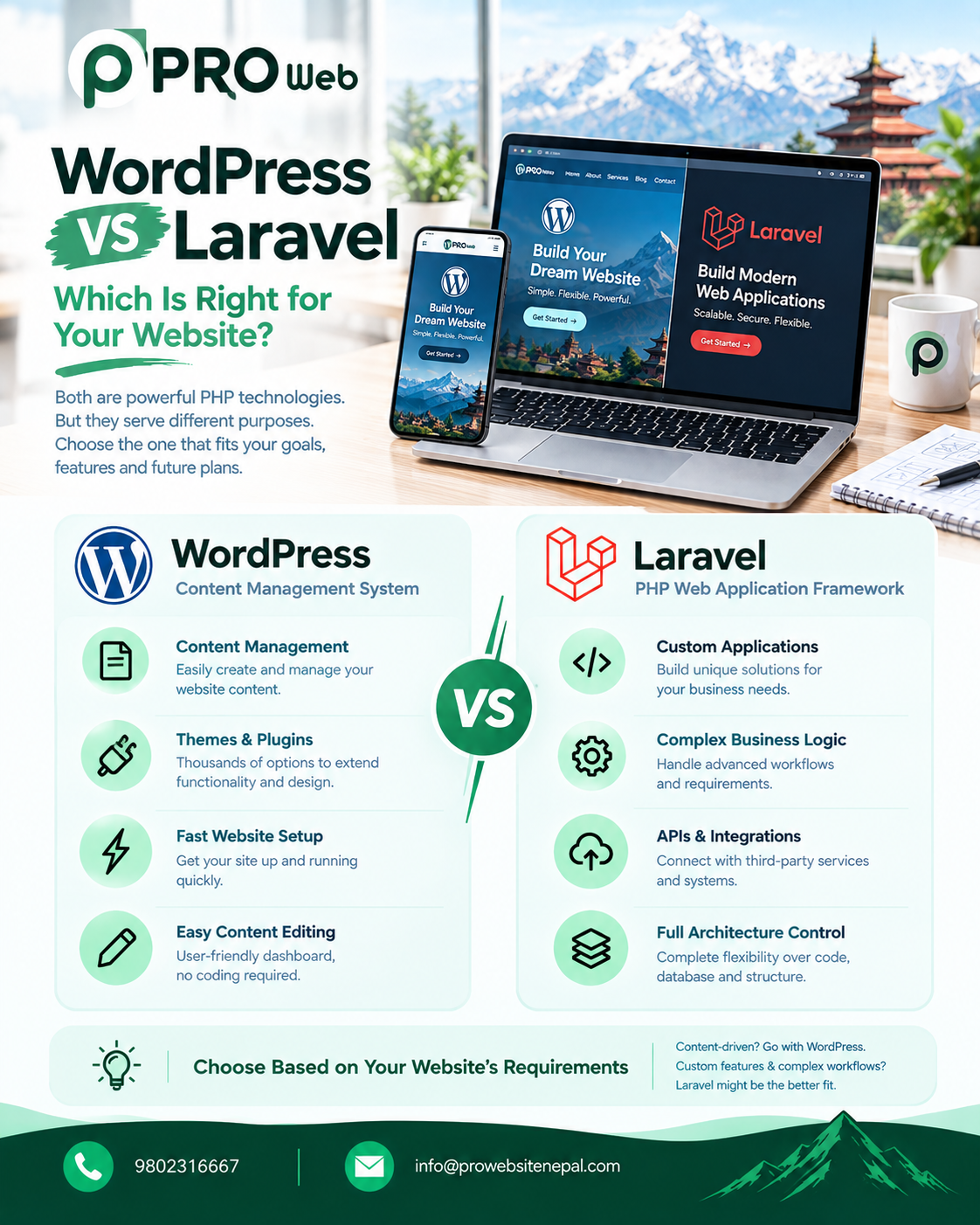
Should a business choose WordPress or custom development?
The answer depends on the business requirements. WordPress can be suitable when easy content management and rapid development are priorities, while custom development can be appropriate when the business requires specialized functionality, greater control, or a tailored architecture.